





UL 2272 vs. UL 2271: NYC Electric Scooter Certification Guide
Learn the difference between UL 2272 for electric-scooter electrical systems and UL 2271 for batteries, plus NYC labeling and online-listing requirements.
UL 2272 vs. UL 2271: What NYC Electric-Scooter Buyers Need to Know
New York City electric-scooter shoppers often see the phrase “UL certified” without an explanation of what was certified, which standard applies, or which laboratory performed the work.
That shorthand can be misleading. For an electric scooter sold in NYC, two separate standards are especially important:
| Standard | Applies to | NYC requirement |
|---|---|---|
| UL 2272 | The electrical system of the complete powered mobility device | Required for e-scooters and similar powered mobility devices sold, leased or rented in NYC |
| UL 2271 | The rechargeable storage battery | Required for storage batteries used in powered bicycles and powered mobility devices sold, leased or rented in NYC |
A responsible seller should be able to identify both the standard and the accredited testing laboratory behind the certification.
What is UL 2272?
UL 2272 is the safety standard New York City identifies for powered mobility devices such as electric scooters, hoverboards, e-skateboards and electric unicycles.
It evaluates the electrical system as a complete system rather than treating one component in isolation. The relationship among the battery, battery-management system, controller, wiring, charging system and other electrical components matters because failures can arise from the way parts interact.
For a New York City sale, the device must be certified to UL 2272 by an accredited testing laboratory.
What is UL 2271?
UL 2271 is the standard New York City identifies for rechargeable storage batteries used in powered bicycles and powered mobility devices. Testing covers the cells, the battery-management electronics and the enclosure under abuse conditions such as overcharging, short circuits and physical damage.
The battery requirement is separate from the complete-device requirement. A statement that a scooter has UL 2272 certification does not eliminate the need to identify the battery’s UL 2271 certification.
This distinction is especially important when buying a replacement battery. The original scooter may have been evaluated as a complete system, but an unknown third-party pack may use different cells, connectors, current limits, wiring, battery-management behavior or physical protections.
(If you are researching e-bikes rather than stand-up scooters, the parallel system-level standard is UL 2849.)
Why New York City requires both
The requirements come from New York City’s battery-safety legislation, enacted in 2023 in response to a sharp rise in lithium-ion battery fires. Powered mobility devices may not be sold, leased or rented in NYC unless they are certified to the applicable UL standards by an accredited testing laboratory.
What must an NYC product listing show?
NYC DCWP says the product must display the accredited testing laboratory’s logo, wordmark or name to show certification.
For online sales, the safety certification must appear on each product listing page. Online listings must also include the required link to DCWP and FDNY battery-safety information. Businesses must maintain proof of certification for each product for three years.
That means a certification statement hidden on a generic company “About” page may not satisfy the product-page disclosure requirement.
How can a buyer verify a certification claim?
Use this sequence:
- Identify the exact brand, model, battery capacity and hardware variation.
- Find the exact standard number: UL 2272 for the device and UL 2271 for the battery.
- Identify the accredited testing laboratory or certification body.
- Match the laboratory mark on the product, packaging or documentation to the mark shown online.
- Ask for the certificate or listing reference if the claim is unclear.
- Confirm that the model and battery variation on the evidence match the product being sold.
A logo copied into a product image is not enough by itself. The goal is traceable evidence that connects the exact product to an accredited certification process.
Common certification mistakes
Saying only “UL certified.” The statement does not identify the standard, product, battery or laboratory.
Using UL 2272 as a battery-only claim. NYC identifies UL 2272 for the powered mobility device and UL 2271 for the storage battery. Product copy should not blur the two.
Showing certification for a different capacity or hardware version. A certificate for one battery pack or one scooter configuration should not automatically be applied to every capacity, connector, factory or model revision.
Assuming a certified original scooter makes every replacement part safe. An unapproved replacement battery, charger, controller or wiring modification can change the electrical system that was originally evaluated.
Omitting the laboratory mark from the product page. NYC requires the safety certification or accredited laboratory identifier on each online listing page.
Certification does not replace safe charging behavior
Even properly certified products must be used correctly. NYC DOT advises riders to use approved batteries and chargers, avoid unattended or overnight charging, keep batteries away from heat, avoid blocking exits, and stop using a battery that overheats, leaks, changes shape or color, smells unusual or makes unusual sounds.
Certification reduces risk; it does not make abuse, damage, incompatible components or unsafe charging harmless.
Where Levy stands
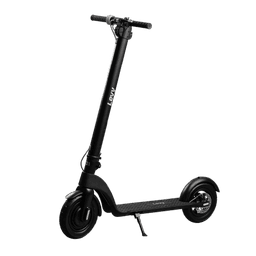
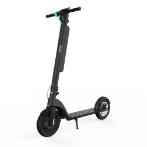
Levy’s support documentation states that the Levy Light and Levy Plus carry UL 2272 certification, and Levy’s removable batteries are UL 2271 certified, housed in a fireproof case with overcharge circuit protection. Because the batteries are removable, they can be charged away from the scooter and replaced with manufacturer-approved packs rather than third-party substitutes.
Learn more about Levy’s removable battery packs
Is the complete device certified to UL 2272?
Is the storage battery certified to UL 2271?
Then verify the accredited laboratory, exact model, labeling, online disclosure, charger and replacement parts.
More NYC scooter guides from Levy
- Electric Scooter Laws in NYC: The Complete 2026 Guide
- How to Tell Whether an Electric Scooter Is Legal to Buy and Ride in NYC
- NYC E-Scooter Crackdown: What the 20 MPH Rule Means
- NYC Scooter Speed Limit: 20 MPH vs. 15 MPH
- Levy Light vs. Levy Plus for NYC Commuting
- What NYC May Do Next: The September 30 E-Scooter Hearing
Official sources
- NYC DCWP: Micromobility device and battery certification requirements
- NYC DOT: Electric Bicycles & More (riding rules and vehicle categories)
General information only; not legal advice. Last reviewed August 6, 2026.