





NYC E-Scooter Crackdown: What the 20 MPH Rule Means
New York City has ordered 42 online retailers to stop selling illegal high-speed e-bikes and scooters. Learn what the 20 mph device limit and 15 mph riding limit mean.
NYC Is Cracking Down on Illegal High-Speed E-Bikes and E-Scooters
New York City is taking major action against online retailers accused of selling illegal high-speed e-bikes, stand-up scooters and unregistered electric mopeds to New Yorkers.
On August 5, 2026, the City announced cease-and-desist orders against 42 online retailers. The orders cover deliveries throughout all 175 New York City ZIP codes and demand that retailers stop selling products that exceed the City’s legal limits for speed, weight, power or vehicle identification. Retailers that continue making prohibited sales can face civil penalties of up to $2,000 for each illegal transaction, and illegal devices operated on City streets may be impounded.
This is a significant escalation in enforcement. It is not, however, a blanket ban on ordinary electric scooters.
What kinds of devices is New York City targeting?
According to the City’s announcement, it is illegal to sell or operate on public streets:
- A motorized stand-up scooter weighing more than 100 pounds or capable of traveling faster than 20 mph.
- An e-bike with an electric motor larger than 750 watts or capable of exceeding 25 mph.
- A seated moped that does not have and display a valid Vehicle Identification Number.
The distinction is important. A lightweight commuter scooter is not the same thing as a 40 mph electric motorcycle, even when both products are advertised online using words such as “scooter” or “e-bike.”
The new enforcement action is aimed at retailers selling vehicles that do not fit the legal categories under which they are being marketed.
The Mayor’s Office also tied the action to a serious safety record. Between 2017 and 2025, the City says 45 rider fatalities involved illegal e-bikes capable of exceeding 25 mph—54% of all e-bike rider deaths in that period—and 14 rider fatalities involved stand-up scooters capable of exceeding 20 mph, or 52% of stand-up-scooter rider deaths. Those figures are an important reminder that the issue is not micromobility itself, but devices whose speed, weight or vehicle category makes them inappropriate for ordinary scooter and bicycle infrastructure.
Are electric scooters still legal in NYC?
Yes. Electric scooters remain legal in New York City.
NYC DOT says electric scooters may be ridden in bike lanes and on streets whose speed limits do not exceed 30 mph. They cannot be ridden on sidewalks. Riders must be at least 16 years old, and helmets are required for riders who are 16 or 17 and recommended for everyone.
The confusion comes from the fact that New York City has two different speed numbers that apply to electric scooters.
The 20 mph device limit and the 15 mph riding limit are different
The 20 mph figure describes the scooter itself. A stand-up scooter capable of traveling faster than 20 mph does not fit the City’s legal stand-up-scooter category.
The 15 mph figure describes how fast a person may ride. Even if a legal scooter is capable of reaching 18 or 20 mph, a rider may not operate it faster than 15 mph on a New York City street.
A useful way to remember it is:
20 mph determines the type of device.
15 mph governs the person riding it.
A scooter with a published maximum speed of 18 mph may fit the City’s device-speed category, but its rider must still keep the scooter at or below 15 mph while operating in NYC.
Speed is not the only thing buyers should check
A scooter’s published speed and weight are only part of the purchasing decision.
New York City requires powered mobility devices such as electric scooters to be certified to UL 2272 by an accredited testing laboratory. Their storage batteries must be certified to UL 2271. The device and battery must display the logo, wordmark or name of the accredited testing laboratory. For online sales, the applicable safety certification must also appear on the exact product-listing page, together with the required DCWP/FDNY battery-safety link.
Before buying an electric scooter, New Yorkers should look for:
- A clearly published maximum speed and vehicle weight.
- UL 2272 certification for the complete scooter.
- UL 2271 certification for the battery.
- The accredited laboratory’s certification mark.
- A manufacturer-approved battery and charger.
- Replacement parts and technical support from an identifiable company.
A product title that simply says “commuter scooter” does not establish that the product is legal or appropriately certified.
Where do the Levy Light and Levy Plus fit?
Levy has focused on portable commuter scooters rather than increasingly heavy, motorcycle-like vehicles.
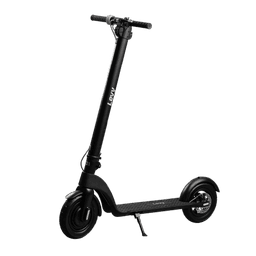
The Levy Light has a published maximum speed of up to 18 mph and a published weight of 27 pounds. The Levy Plus has a published maximum speed of up to 20 mph and a published weight of 31 pounds. Based on those specifications, both models fall at or below New York City’s published stand-up-scooter speed and weight thresholds. Levy also states that both models carry UL 2272 certification.
That does not eliminate the rider’s responsibility to observe the 15 mph operating limit, stay off sidewalks, yield to pedestrians and follow all other local rules.
It does provide New Yorkers with an alternative to online products that blur the line between a commuter scooter and an unregistered motor vehicle.
What happens next?
The August 5 enforcement action addresses products already prohibited under existing law. Separately, the New York City Council has scheduled a comprehensive e-bike and e-scooter safety hearing for September 30, 2026.
The Council expects to review more than a dozen proposals involving retailer accountability, delivery-service licensing, street design, enforcement reporting and the possible prohibition of sales and rentals of currently legal Class 3 e-bikes. Those are proposals under consideration, not enacted law.
Levy will continue monitoring the regulatory process and updating this guide as official rules change.
The bottom line
New York City is not banning responsible electric micromobility. It is drawing a clearer line between lightweight legal transportation and high-speed products that do not belong in the e-scooter category.
For riders, that means checking the specifications and certifications before buying—not merely trusting the name used in an online listing.
Looking for a lightweight scooter designed around New York City’s legal-speed category?
Explore the Levy Light
Explore the Levy Plus
View New York purchase, rental and subscription options
More NYC scooter guides from Levy
- Electric Scooter Laws in NYC: The Complete 2026 Guide
- How to Tell Whether an Electric Scooter Is Legal to Buy and Ride in NYC
- NYC Scooter Speed Limit: 20 MPH vs. 15 MPH
- Levy Light vs. Levy Plus for NYC Commuting
- UL 2272 vs. UL 2271: NYC Electric Scooter Certification Guide
- What NYC May Do Next: The September 30 E-Scooter Hearing
Official sources
- NYC Mayor’s Office: August 5, 2026 cease-and-desist announcement
- NYC DOT: Electric Bicycles & More (riding rules and vehicle categories)
- NYC DCWP: Micromobility device and battery certification requirements
This article provides general information and is not legal advice. Regulations and product specifications were reviewed on August 6, 2026.